01
Feeling, given form想いを形に。化心意为形。
Gindendo is not only a place for selling things.銀伝堂は、ものを売るためだけの場所ではありません。銀伝堂,并不只是一个出售器物的地方。
A feeling born at a turning point in a life. Care for another person. A memory you want to keep for yourself.人生の節目に生まれた想い。誰かを大切に思う気持ち。自分自身のために残しておきたい記憶。人生节点上生出的心意。珍视某个人的心情。想为自己留存的记忆。
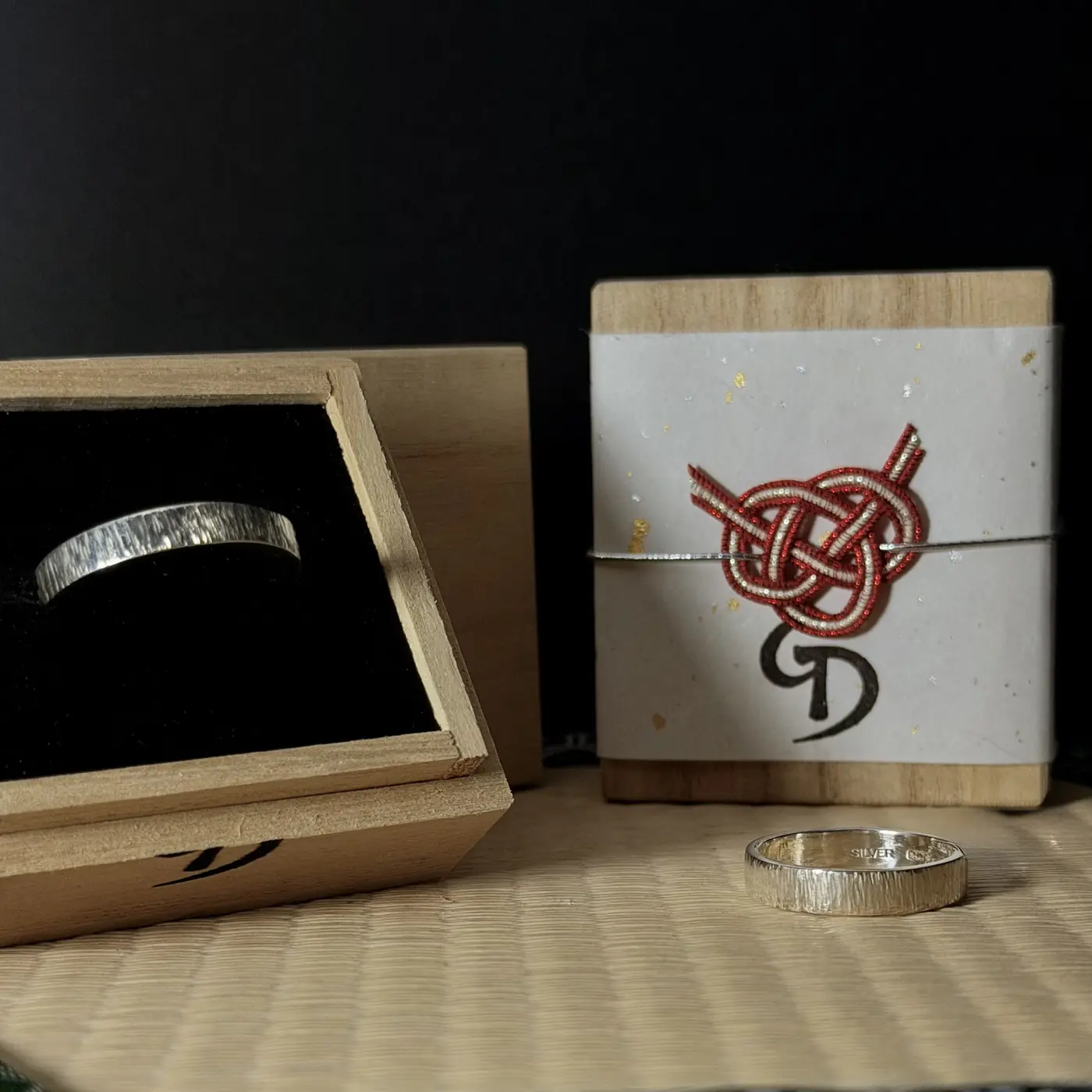
We receive these things that cannot be seen and give them form in silver. Then the piece is used, and as time gathers on it, it takes on new meaning.そうした目に見えないものを受け取り、銀という素材を通して形にする。そして、そのものが使われ、時間を重ねることで、新しい意味を持っていく。我们接过这些看不见的东西,借银这一材料赋予其形。而后器物被使用,随着岁月累积,生出新的意义。
The place that holds that whole span of time is what we call the hall.その一連の時間を受け止める場所を、私たちは「堂」と考えています。承接这一整段时光的地方,我们称之为「堂」。
02
What is a hall?堂とは、何か。何谓「堂」。
"Hall" is not just the name of a building. It is a place where people gather, hold something dear, receive it, and send it on.「堂」は、単なる建物の名前ではありません。人が集まり、何かを大切にし、受け取り、次へ送り出す場所。「堂」并不只是一座建筑的名字。它是人们相聚、珍重某物、接受它、再将它送往下一程的地方。
For Gindendo, the hall is the place where a person's feeling becomes an object, and the object returns into that person's time.銀伝堂にとっての「堂」とは、人の想いが、ものになり、そのものが人の時間へ戻っていく場所。です。对銀伝堂而言,「堂」是人的心意化为器物,而器物又回到人的时光中去的地方。
In a shop, you choose a product. In a workshop, things are made. Gindendo is aiming at more than those two.店では、商品を選ぶ。工房では、ものをつくる。しかし銀伝堂が目指しているのは、その二つだけではありません。在店里,挑选商品。在工坊,制作器物。但銀伝堂所追求的,不止于这两者。
We receive the feeling, give it form, and see it through to the point of use. And however many years later, you can come back with the piece.想いを受け取り、形にし、使われるところまで見届ける。そして何年後でも、そのものとともに戻ってこられる。接过心意,赋予其形,一直看顾到它被使用。无论多少年后,都可以带着那件器物回来。
That is why Gindendo calls itself a hall and not a shop.だから銀伝堂は、「店」ではなく「堂」を名乗ります。所以銀伝堂不称「店」,而称「堂」。
03
Why silver?なぜ、銀なのか。为何是银。
Silver was not chosen simply because it is beautiful.銀は、ただ美しいから選んだ素材ではありません。银,并非仅因其美而被选中。
In Japan, silver has long been used for things close to daily life: vessels, sake ware, ornaments. The Engishiki of the Heian period records silver vessels, and in the Edo period craftsmen called shiroganeshi, silversmiths, made vessels and tools in silver.日本では古くから、銀は器や酒器、装身具など、人の暮らしと関わるさまざまなものに使われてきました。平安時代の『延喜式』にも銀器に関する記録が残り、江戸時代には銀師と呼ばれる職人が銀を用いた器や道具をつくっていました。在日本,银自古便用于器皿、酒器、饰物等与人的生活相关的种种器物。平安时代的《延喜式》中留有关于银器的记载,到了江户时代,被称为「银师」的匠人以银制作器皿与用具。
In the herbal learning of East Asia, silver was understood not only as a material but in its relation to the body and to daily life. Around the world, too, it has been the material of things that matter to people: coin, vessels, ornaments, ritual objects.東アジアの本草学に目を向ければ、銀は素材としてだけでなく、人の身体や暮らしとの関係からも捉えられてきました。世界各地でも、銀は貨幣、器、装身具、祭具など、人にとって特別なものに使われてきた素材です。放眼东亚的本草学,银不仅被视为材料,也从它与人的身体和生活的关系中被理解。在世界各地,银同样被用于货币、器皿、饰物、祭器等对人而言特别的东西。
But Gindendo did not choose silver because the world has used it. It is because Gindendo itself has walked with silver.けれど、世界中で銀が使われてきたから、銀伝堂が銀を選んだのではありません。銀伝堂自身が、銀とともに歩んできたからです。然而,銀伝堂选择银,并不是因为全世界都在用银。而是因为銀伝堂自身,一路与银同行。
Behind that is a line that runs from the metalworkers of Edo. The Hirata school. The techniques handed down from it. The time spent as silversmiths. That story is told in full under Time.その背景には、江戸の金工から続く系譜があります。平田派。そこから受け継がれてきた技。そして銀師として歩んできた時間。その詳しい物語は、「時」の中で紐解きます。其背后,是自江户金工延续至今的传承。平田派。由此传下的技艺。以及作为银师走过的时光。详细的故事,将在「时」中展开。
04
Silver holds time銀は、時間を受け止める。银,承接时光。
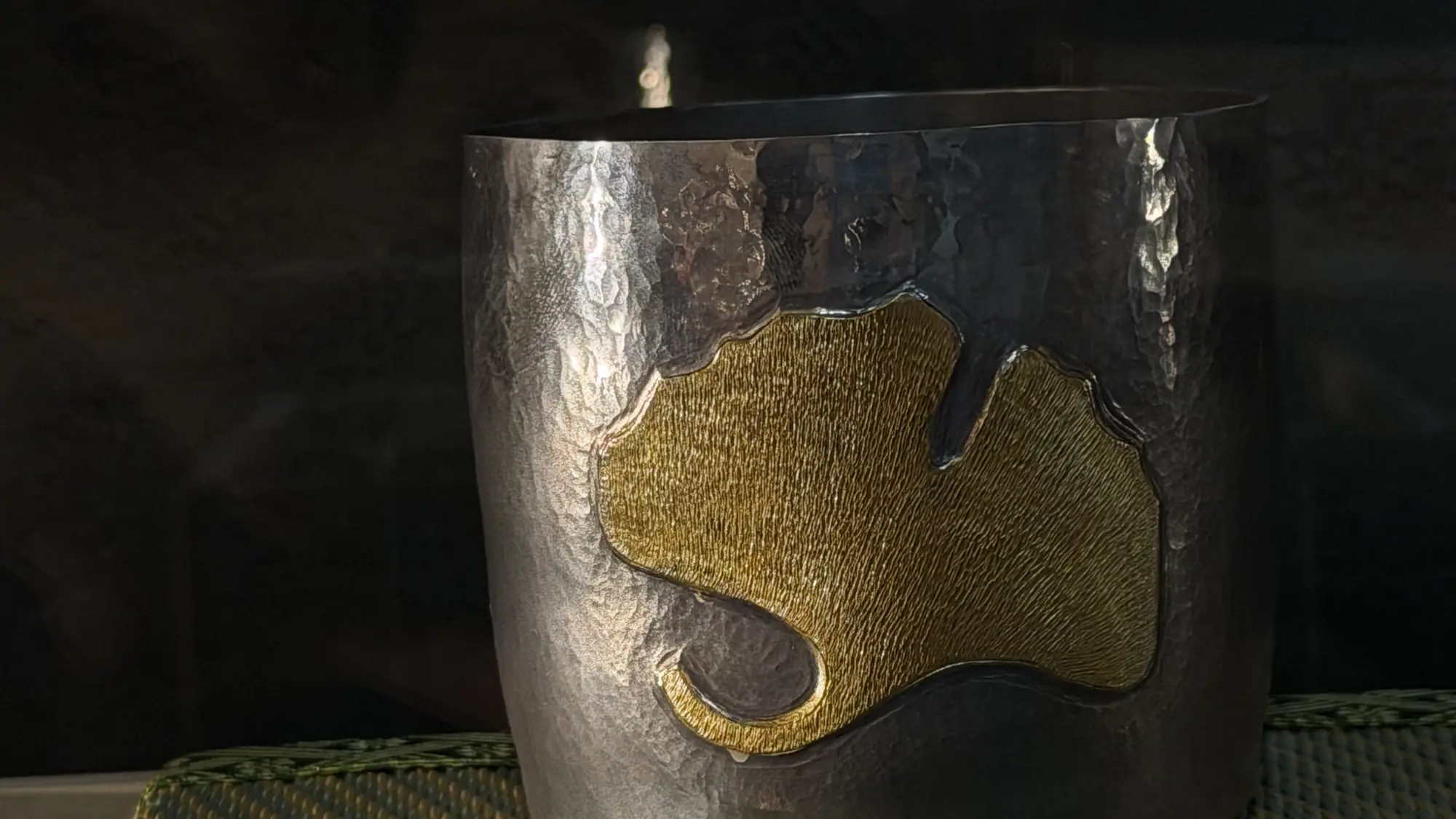
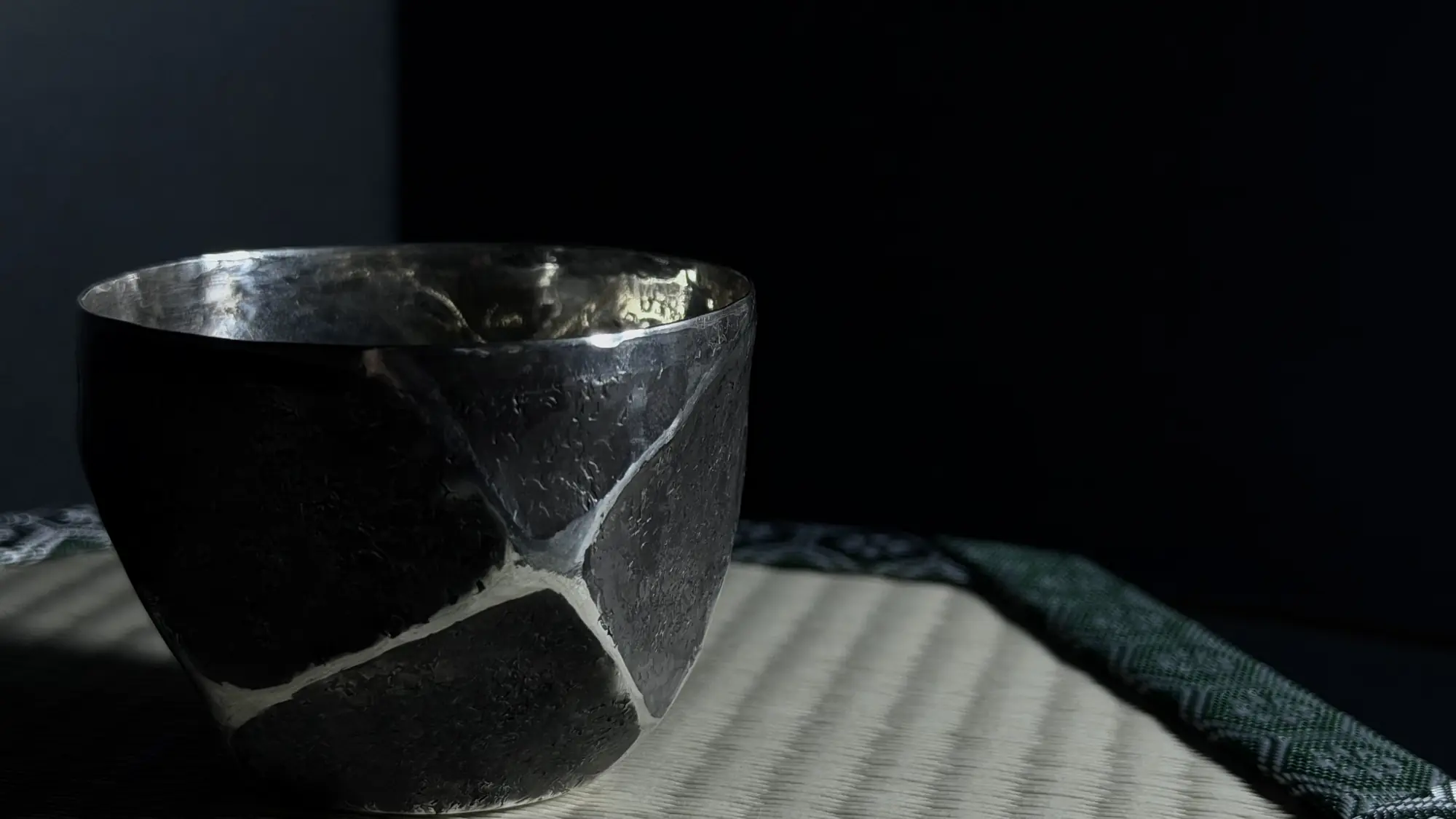
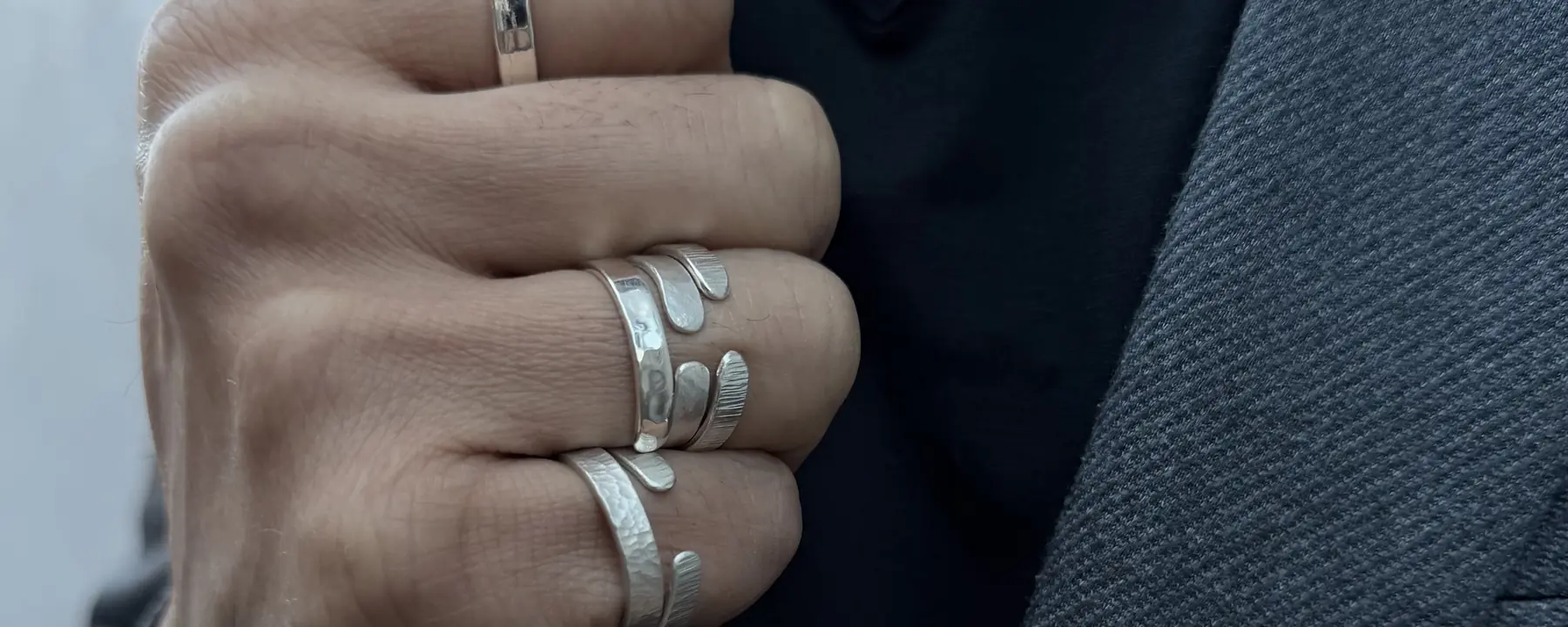
Silver is not a material that is finished at the moment it is made. Use marks it. Touch changes its lustre. Polish it, and the light returns. Those changes are also the time the piece has lived through.銀は、つくった瞬間だけで完成する素材ではありません。使えば傷がつく。触れれば艶が変わる。磨けば、また光を取り戻す。その変化は、そのものが過ごしてきた時間でもあります。银,并不是在制成的那一刻就已完成的材料。使用会留下痕迹。触摸会改变光泽。打磨,又会重拾光芒。这些变化,也正是器物所度过的时光。
The day it was given. The day it was first worn. A day spent with someone dear. The days of using it for years. That time settles on the silver, little by little.贈った日。初めて身につけた日。大切な人と過ごした日。何年も使い続けた日。そうした時間が、少しずつ銀に重なっていく。赠出的那一天。初次佩戴的那一天。与珍重之人共度的那一天。年复一年使用的日子。这样的时光,一点一点叠加在银上。
So for Gindendo, silver is the material that holds a person's time.だから銀伝堂にとって銀は、人の時間を受け止める素材。なのです。所以对銀伝堂而言,银是承接人之时光的材料。
05
What is atsurae?誂えとは、何か。何谓「誂」。
From here, this is what atsurae means at Gindendo.ここからが、銀伝堂にとっての「誂え」です。从这里开始,是銀伝堂所说的「誂」。
Today the word is often replaced with "made to order." But atsurae as Gindendo understands it is not simply ordering something different from a ready-made piece.「誂え」は、現代では「オーダーメイド」という言葉で置き換えられることが多くあります。けれど、銀伝堂が考える誂えは、単に既製品とは違うものを注文することではありません。如今,「誂」常被「定制」一词取代。但銀伝堂所理解的「誂」,并不只是订购一件有别于成品的东西。
Atsurae starts from one question: who is it being made for?誂えの出発点は、誰のためにつくるのか。です。「誂」的出发点是:为谁而作。
Who will use it. Who it will be given to. Where it will be used. What would be right for that person. The form of the piece is worked out from there.誰が使うのか。誰に贈るのか。どんな場所で使われるのか。その人にとって、どんなものがふさわしいのか。そこから、ものの形を考えていく。谁来使用。赠予何人。在什么地方使用。对那个人而言,什么才相称。由此出发,去思考器物的形。
06
What is made is more than the object誂えるのは、ものだけではない。所「誂」的,不只是器物。
What is made to order at Gindendo is not limited to a finished piece of silver.銀伝堂で誂えるものは、完成した銀製品だけとは限りません。在銀伝堂定制的,并不限于完成的银制品。
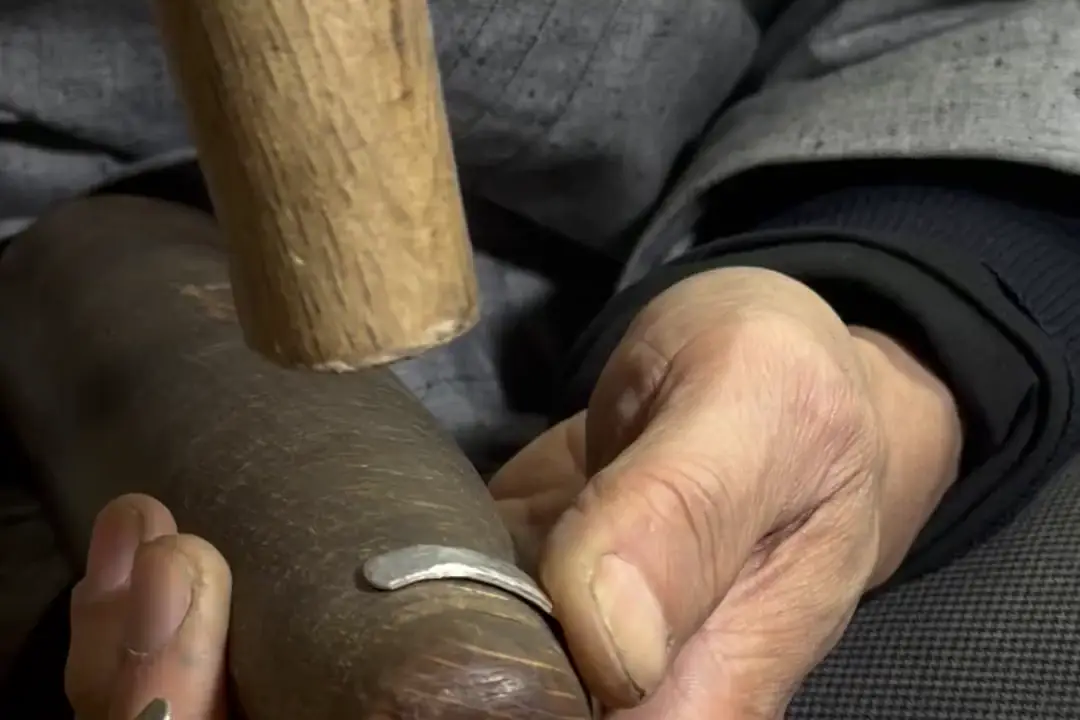
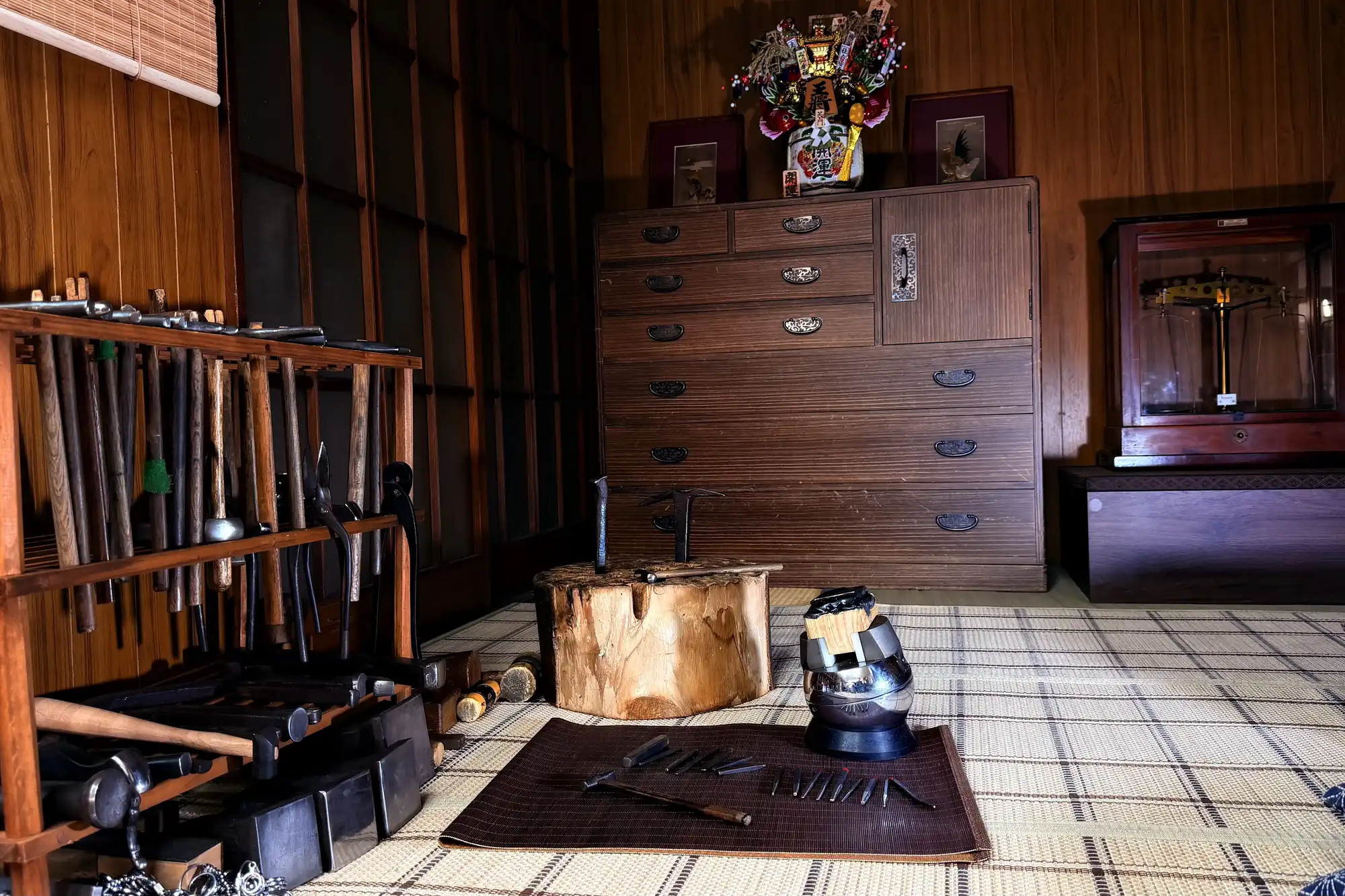
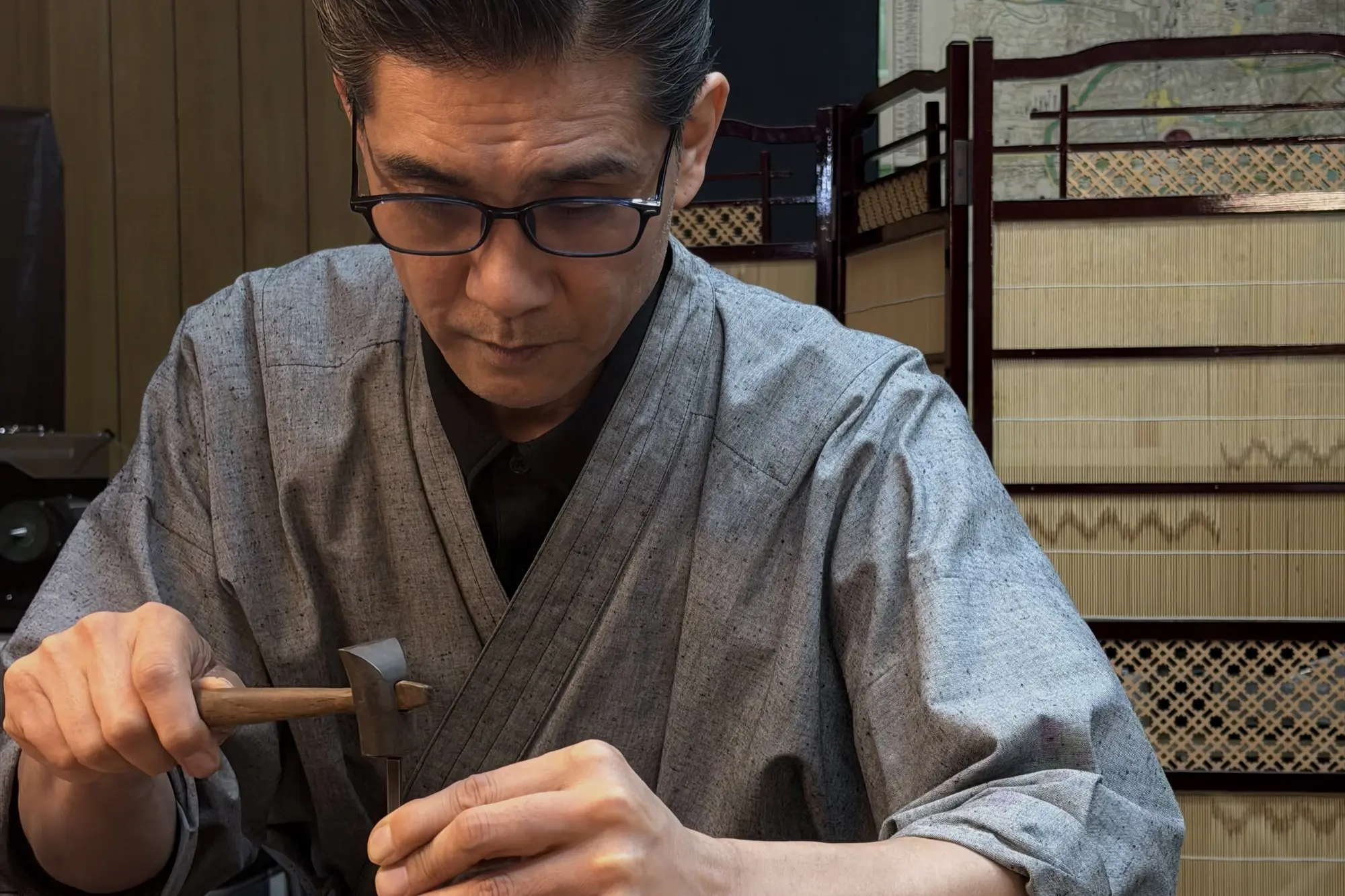
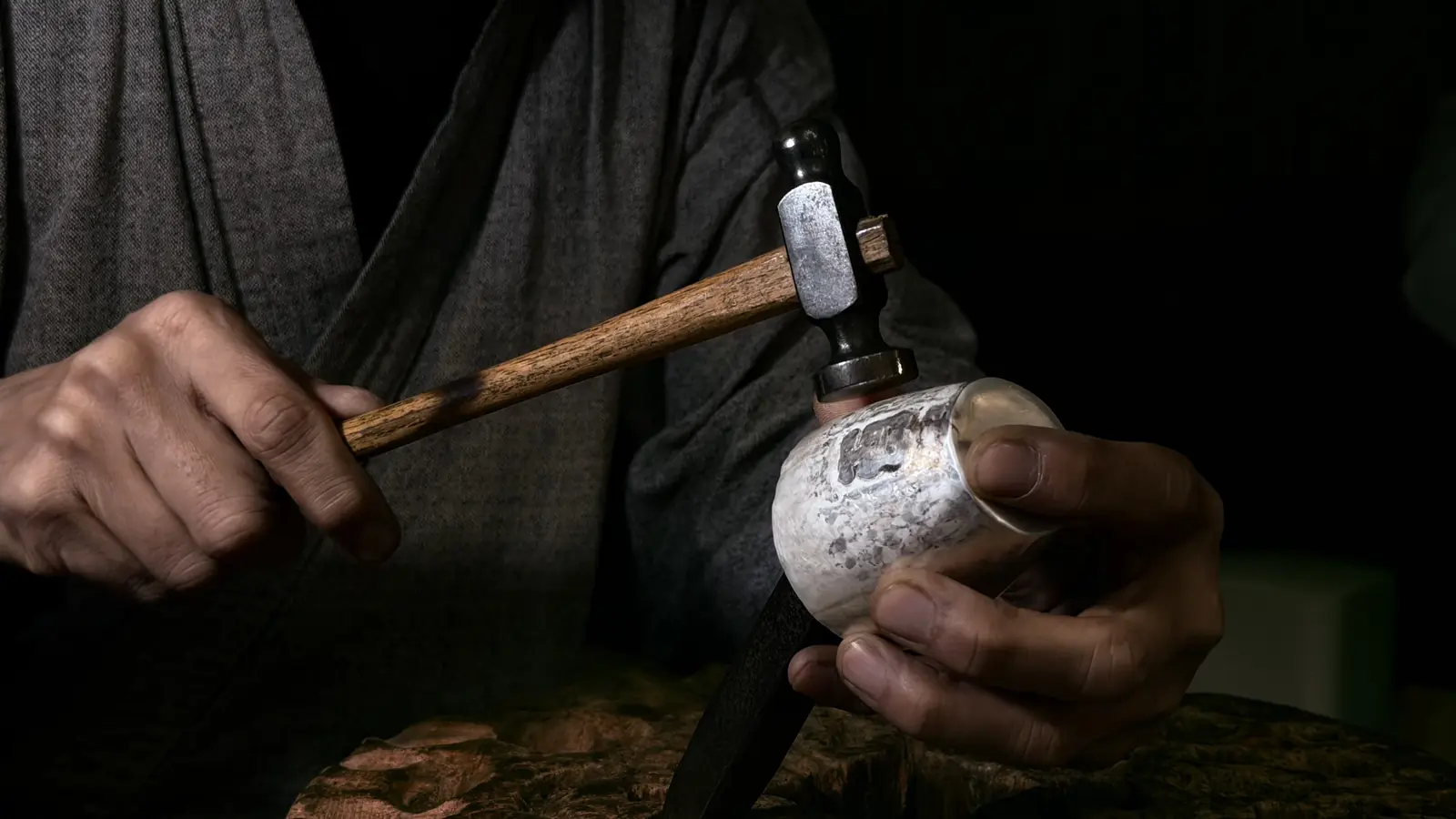
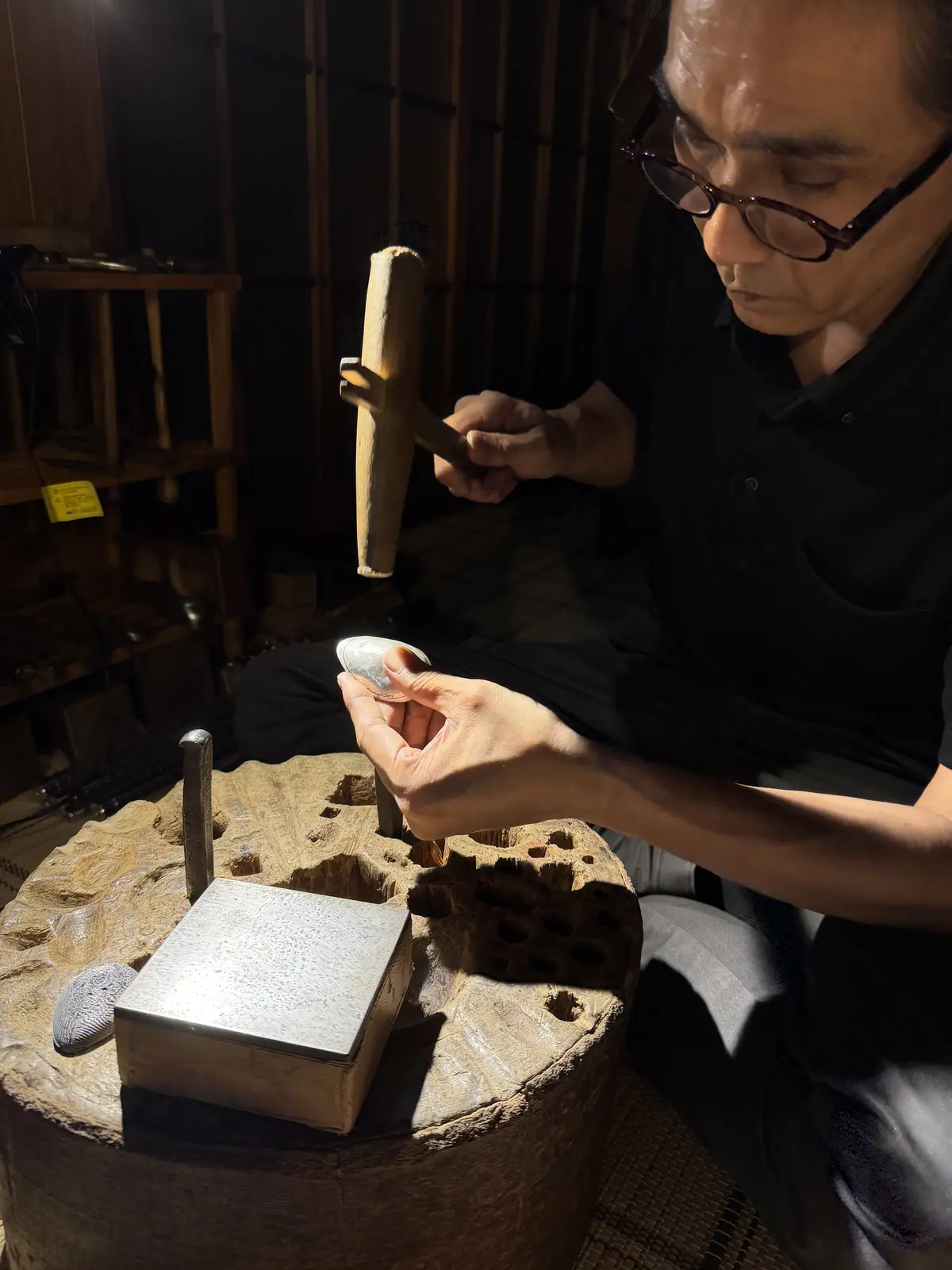
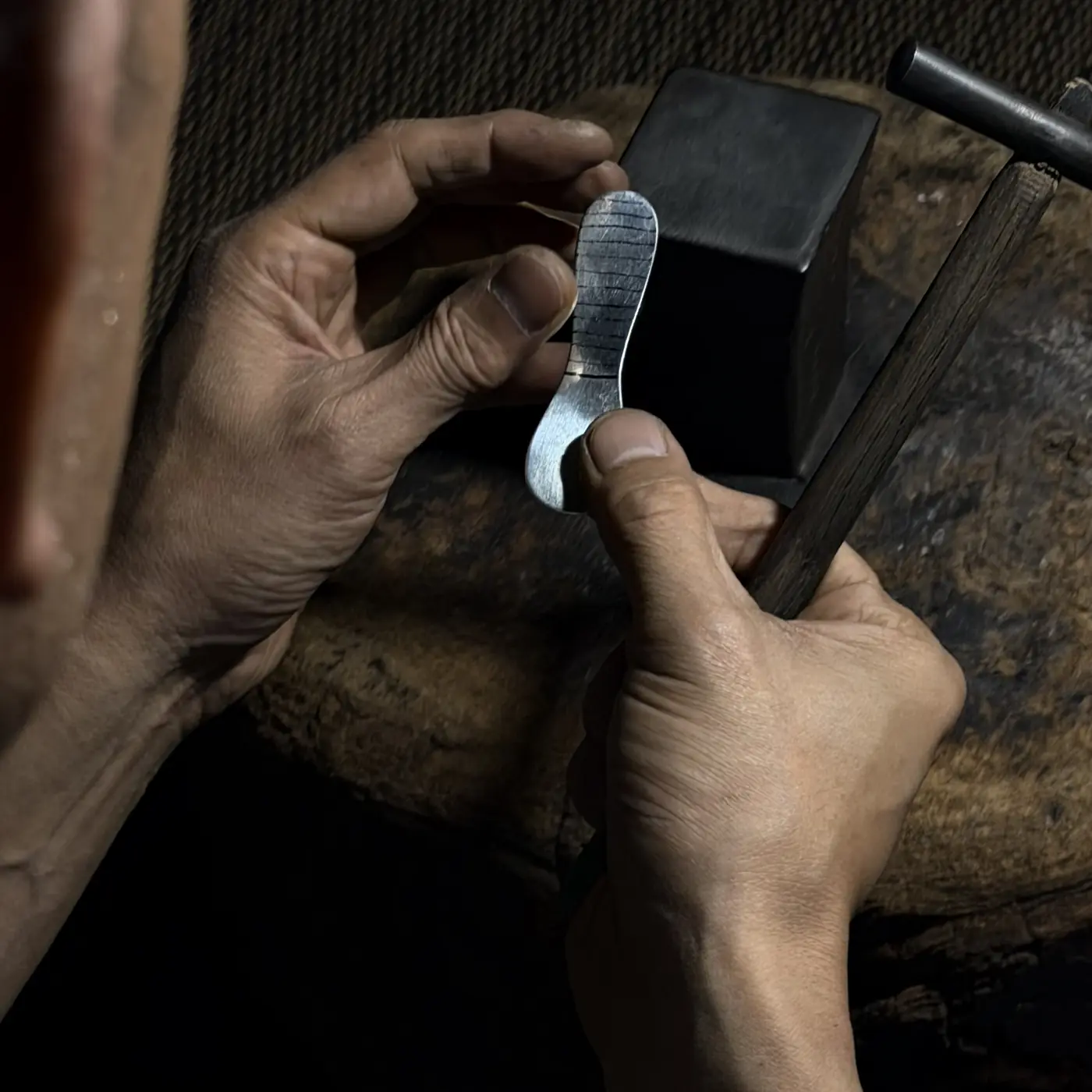
Making one work for someone dear is atsurae. Striking silver with your own hands and carrying home, as a memory, the time you spent at Gindendo in Asakusa: for us that is atsurae too.たとえば、大切な人のために一つの作品をつくる。それも誂えです。自分の手で銀を打ち、浅草の銀伝堂で過ごした時間をそのまま思い出として持ち帰る。それも、銀伝堂にとっての誂えです。比如,为珍重之人制作一件作品,这是「誂」。亲手打银,把在浅草銀伝堂度过的时光原样作为回忆带回去,这对銀伝堂而言,也是「誂」。
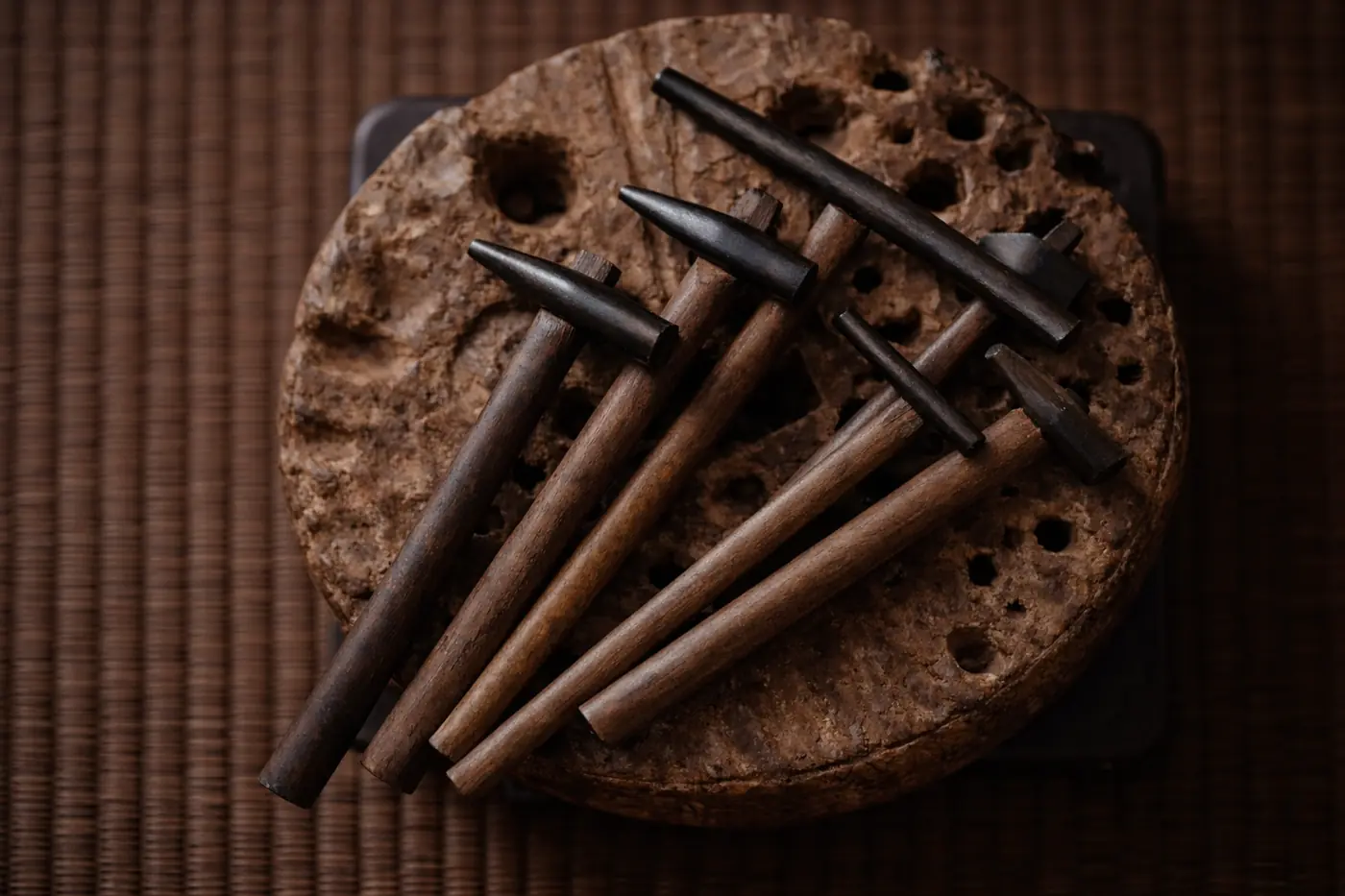
What kind of place, what tools you touch, what material you choose, what kind of time you spend. And years or decades later, when you use what you made that day, you remember the day.どんな場所で、どんな道具に触れ、どんな素材を選び、どんな時間を過ごすのか。そして、その日につくったものを何年後、何十年後に使ったとき、その日のことを思い出す。在怎样的地方,触碰怎样的工具,选择怎样的材料,度过怎样的时光。而在多年、数十年之后,使用那一天所做的器物时,会想起那一天。
What Gindendo has in mind is not only the finished object.銀伝堂が考えているのは、完成した「もの」だけではありません。銀伝堂所考虑的,不只是完成的「器物」。